Quickly Boost WordPress Website Speed [Ultimate Guide]

Tutorials & Insights
How do I increase my WordPress website speed? It is one of the questions my clients and students ask me most.
Speeding up a WordPress site is not hard, even for a beginner. But have you ever asked why everyone is chasing a faster website? Many new bloggers do not know why, or how, other sites manage to load in half a second.
In this post I explain why website speed matters and show you everything I do to make a site load fast. Read it properly, apply every step, and your website will load like a rocket.
First, the main advantages of a fast website.
And there are no disadvantages. Nobody has ever complained that a page loaded too quickly.
That answers why everyone wants a fast website. The obvious next question is how to make yours fast. Before we get there, let's look at the opposite question: what makes a website slow?
Read More about How to Rank on Google Eaisly without Backlink
You cannot fix a problem you do not understand, so here are the factors that slow a website down.

MYTH: people say too many plugins will slow down your website. What slows it down is the quality of the plugins you use, not how many you have.
Below I go through each thing that makes a site slow and how to fix it.
Hosting is the first and one of the main factors that affect website loading speed. A fast website needs top class hosting with a fast server response time.
Many new bloggers make the same mistake. They buy cheap hosting and plan to move to a fast server once the blog starts earning. That plan does not work anymore. A slow site does not rank, and a site that does not rank does not earn, so the upgrade day never comes.
Here is how a website loads. When you enter a URL, the browser asks the server for all the resources and information mapped to that URL. The server then has to respond and send that data as quickly as possible. The time this takes is the Server Response Time, and cheap hosting simply does not have the power to respond fast.
Do not make the mistake that sinks so many new blogs. Choose a highly rated host like
Great hosting will boost your WordPress website speed. Read my full hosting review to choose the best host for your website.
This part of speed optimization is a little tricky, so I will keep it simple. Code optimization means properly inlining and compressing HTML, CSS, JavaScript and so on, so the browser can render them quickly.
There are plenty of WordPress optimization plugins on the market. These are the ones I trust:
Use these plugins to optimize your coding in order to boost WordPress website speed.
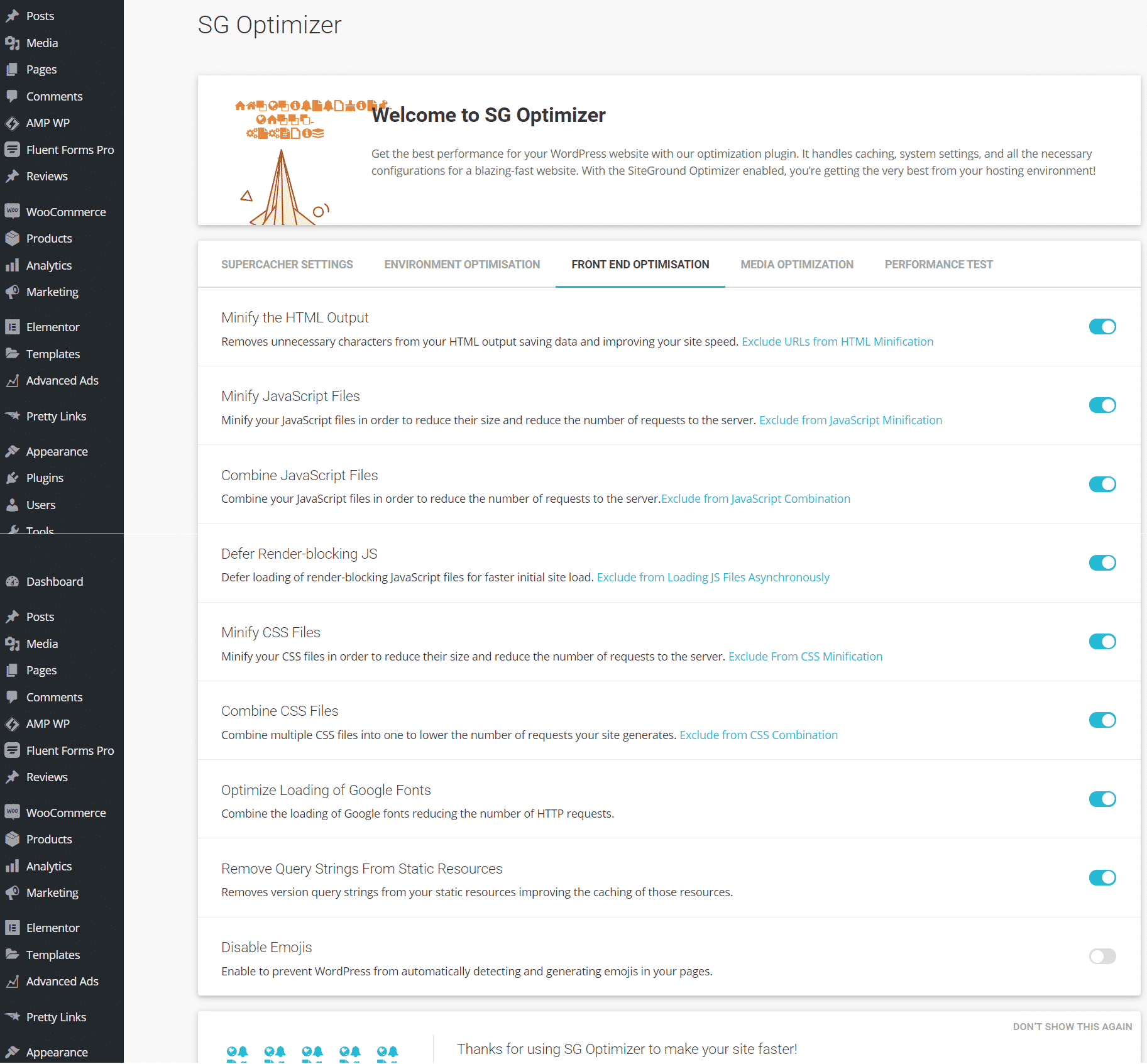
Note: code optimization can break your website's layout, so go carefully and check your pages after each change.
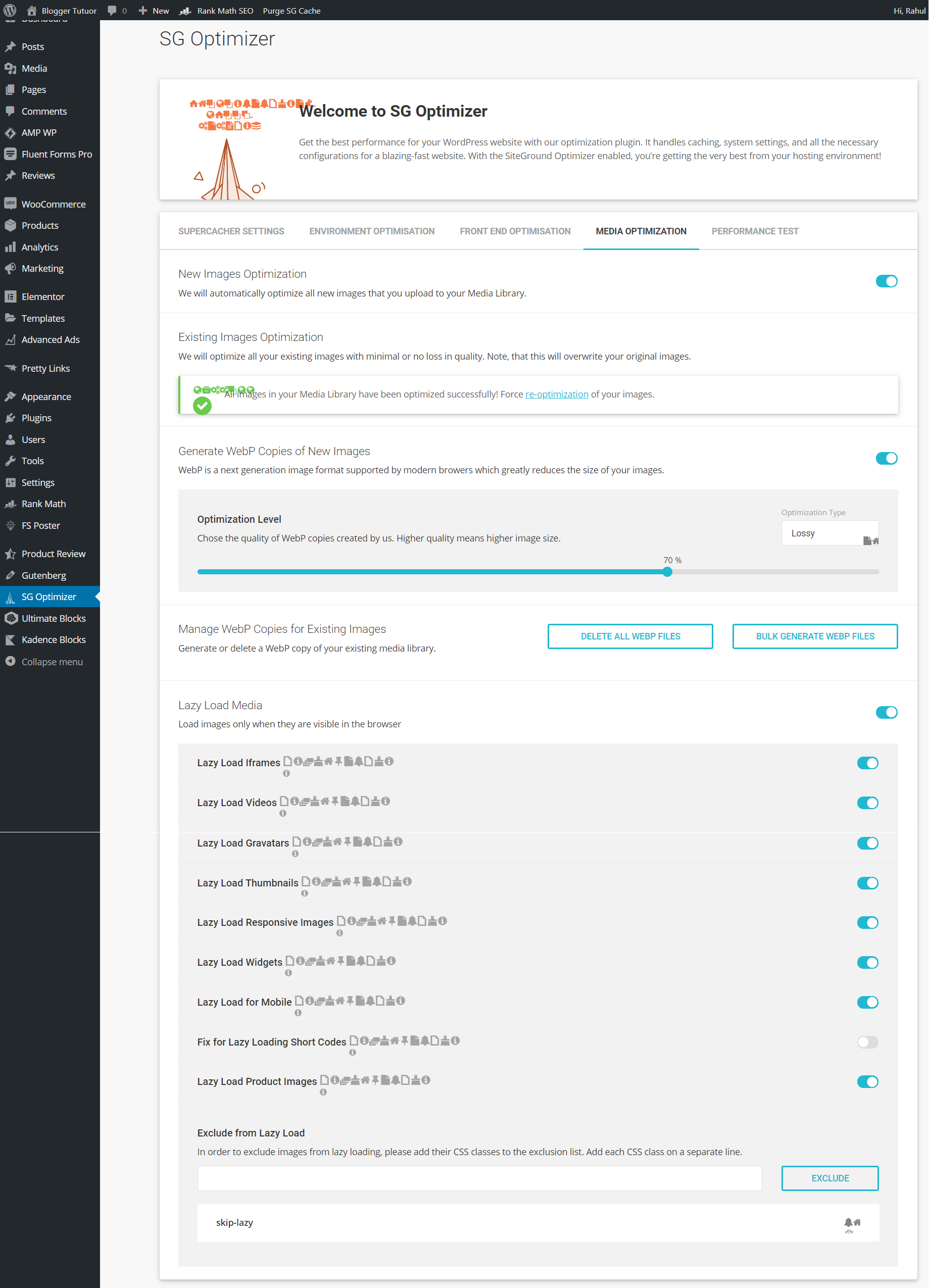
Images are the 3rd main factor that influences website loading speed. I know many of you are already using an image compression plugin but wait, Is Only Image Size Compression Enough? No. Image format, size ratio and scaling type matter too. I will explain each one.
This is my favourite step, because a fast theme with minimal JavaScript and CSS saves you most of the code optimization work. The hard part is picking the theme. There are millions of fancy WordPress themes with huge code files that will fight you every step of the way. I have a dedicated post for the top 5 fastest WordPress theme to supercharge your website.
Here are my 5 favourite fast WordPress themes.
A fast theme will boost your WordPress website speed.
See Astra vs Kadence Theme Comparison and Review
There are a lot of page builders on the market, and choosing one is never easy. Here is something that surprises people: visitors prefer a simple, clean look over a complex, colourful design. That is not true everywhere, but for websites it holds 100%.
Page builders like Elementor, Divi, Brizy, WPBakery are too popular, but they have limitations when it comes to increasing a WordPress website speed. The one I love is the Gutenberg Block Editor. Yes, the one already built into WordPress. Add a Gutenberg addon and it becomes a perfect page builder with very fast pages. Gutenberg designs are simple and attractive, and most importantly they boost your WordPress website speed.
Caching can speed up your website instantly without changing how it looks or using more server resources. It works like a mirror image of your website. When a browser sends a request, the server hands over the cached file instead of building the page from scratch, and since no server processing is involved, it reaches the browser fast.
There are many WordPress caching plugins, like WP Rocket and W3 Total Cache. Server side caching is more effective, though. These days every host comes with some caching system, so just ask your provider how to activate it on your plan.
A Content Delivery Network, or CDN, acts as a middle distributor for your website files. It has servers across the globe, stores copies of your files on all of them, and serves each visitor from the nearest location to cut loading time. Many CDNs also have built in image and code optimization that shrinks your total file size further.
There are many free and paid CDNs in the market like Cloudflare (free and Premium both), Bunny CDN (Premium Only) etc. Use one on your website. It is one of the easiest speed wins on this list.
One more thing slows websites down: Google Fonts. Loading a Google stylesheet and font takes a lot of time. Many bloggers use a different Google font for headings, paragraphs, quotes and so on. Every one of those fonts slows your site down, and sometimes they do not render correctly and spoil the look of the page. Use as few Google fonts as possible.
Follow every step above and your WordPress website will be noticeably faster. Skip the hosting step and the others will only take you so far.
If this post helped, share it with a friend whose site takes forever to load.
Many factors make a site slow. The main ones are the hosting server, site caching, code optimization and image optimization.
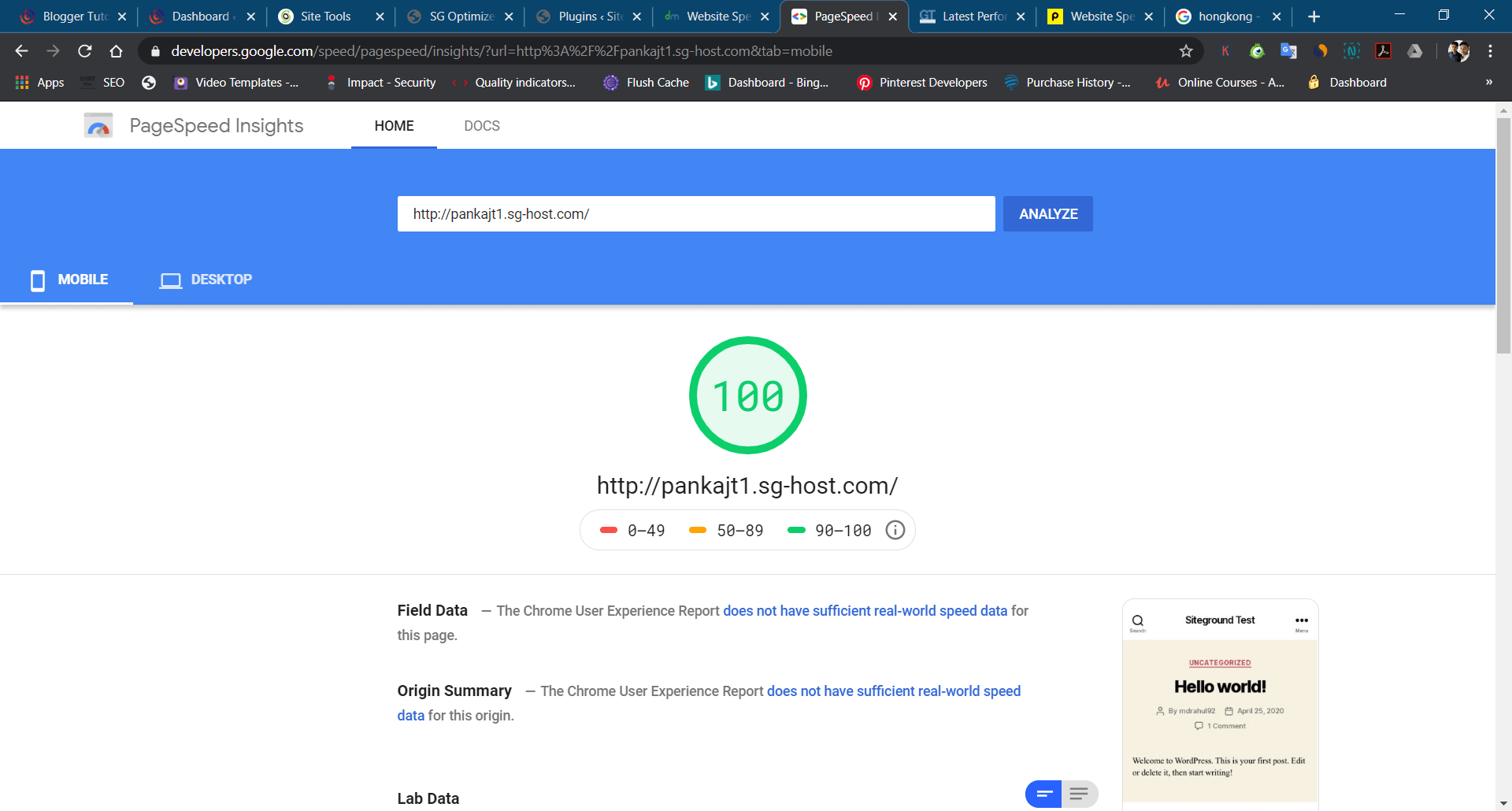
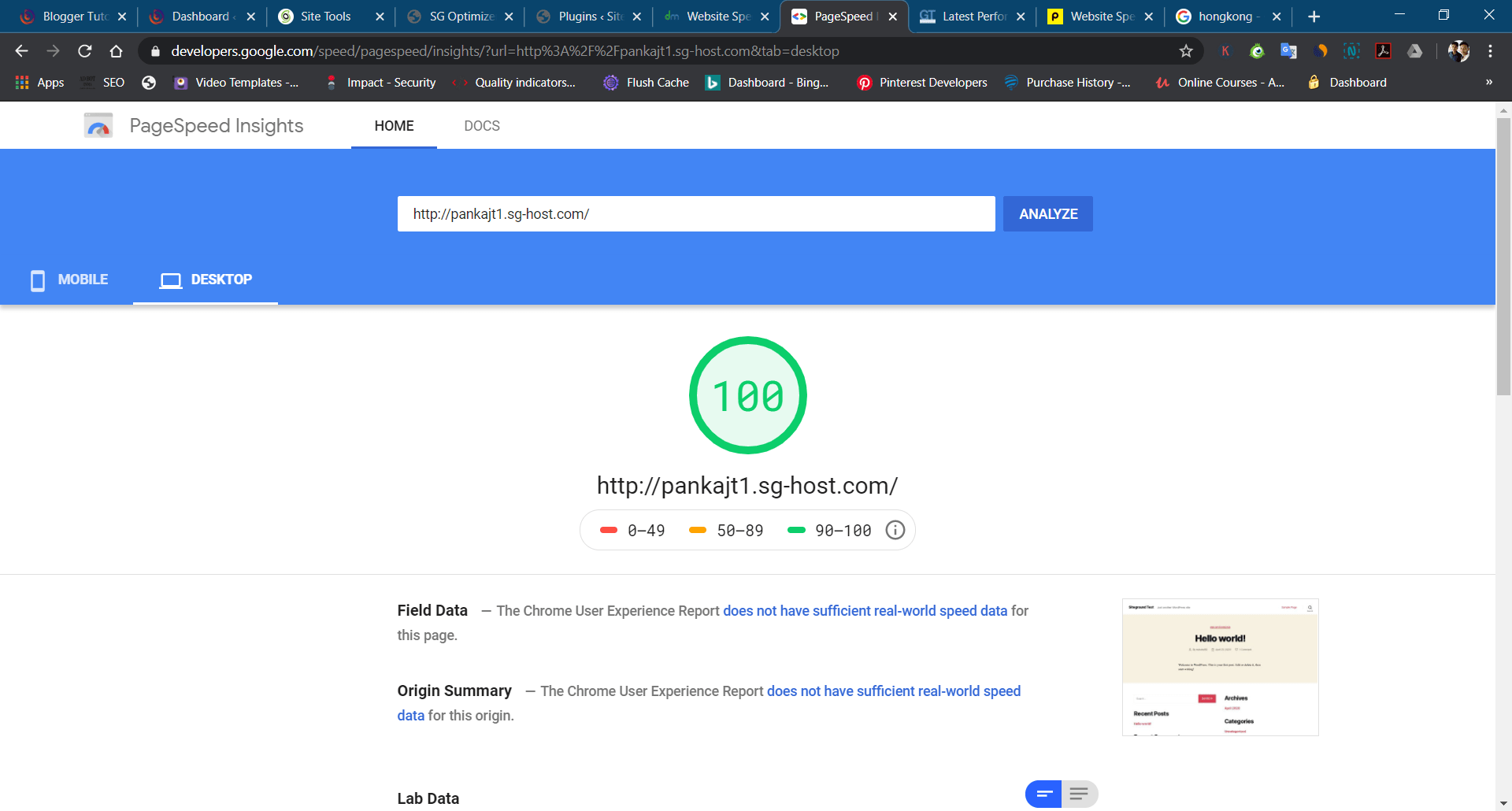
There are many tools to check website speed, like Google PageSpeed Insights, GTmetrix and Pingdom. I recommend Google PageSpeed Insights.
Website speed matters for many reasons. It improves your on page SEO, your conversions and your bounce rate.
Fixing a slow website is not that hard. Optimize its code and images, and use a CDN, caching and a fast SSD server. That will make a clear difference to your speed.
There are thousands of hosting providers, but only a few deliver top class speed. Some of them are SiteGround, Bluehost, Hostinger, Cloudways, HostGator, DreamHost and WP Engine.